This technical report presents the effective integration of the PLX3-N INS with the ArduPilot system running on CubeOrange/Plus flight controller, enabling robust autonomous flight operations with GNSS-denied mission capability on fixed-wing platforms. The implementation utilizes ArduPilot's external input capability to process the INS's filtered outputs for attitude determination, position estimation, and velocity tracking, with particular emphasis on navigation performance under GNSS-denied conditions.
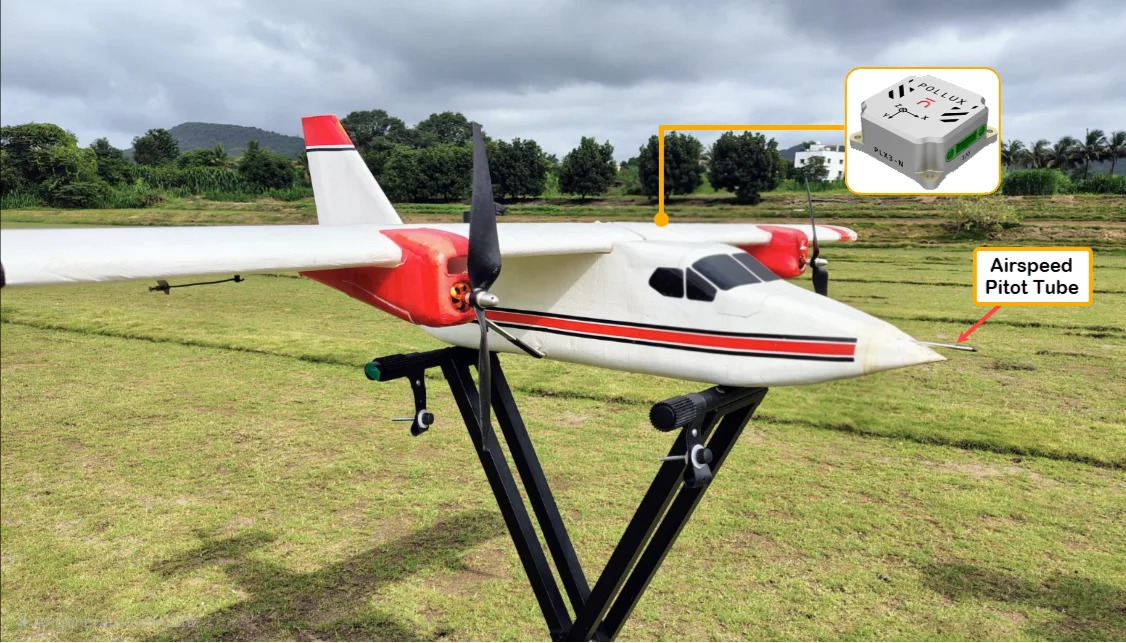
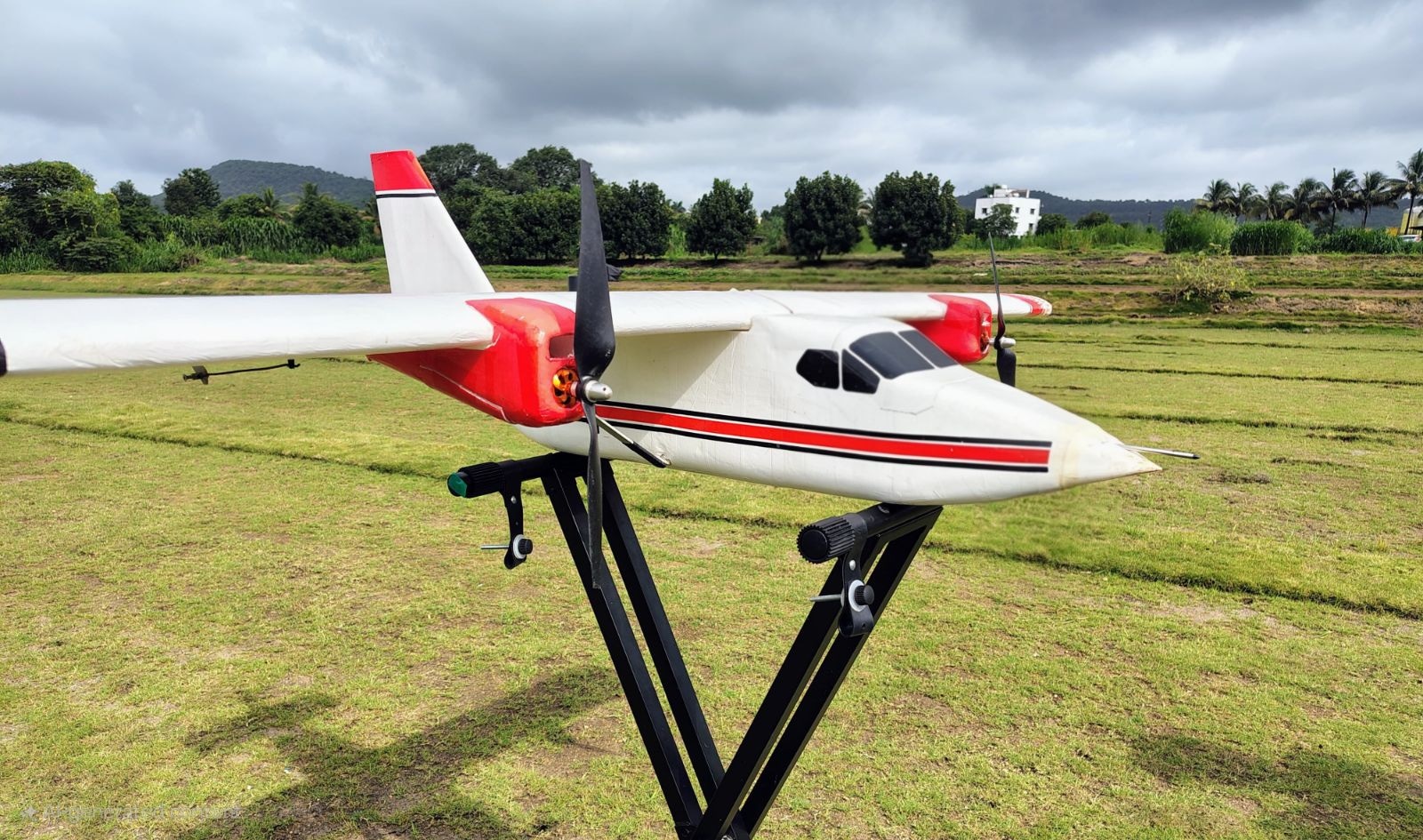
Figure 1: Fixed Wing Aircraft for Autopilot Mission
Key Obstacles for Integrations
Attitude oscillations during takeoff
Degraded navigation accuracy in GNSS-denied areas with limited aiding sensors
Drift in Altitude due to barometer offsets and no multi-sensor fusion, leading to negative altitudes
Position divergence across mission profiles
Mitigations Offered
Driver enhancements
Effective parameter calibration
Integration of hybrid sensors
Achieved Results
Consistent performance across multiple operational modes
Successful fully autonomous waypoint missions were validated in flight
The integrated system maintained acceptable mission performance with drift characteristics within operational tolerances during GNSS denied conditions, as described in detail in the following sections.
Integration provides competitive operational advantages in contested and denied environments, with demonstrated potential for application across diverse platform types.
What is PLX3-N?
The PLX3-N is an indigenous, high-performance Inertial Navigation System (INS) developed by Aeron Systems Pvt. Ltd. for unmanned vehicles (ex, UAVs, UGVs, USVs, UUVs, etc). PLX3-N design is a compact, low-SWaP (Size, Weight, and Power) unit for tactical-grade navigation in GNSS-denied or contested environments. Key specifications include:
• Sensors: MEMS-based IMU’s, barometer, magnetometer and GNSS receiver.
• Performance: Acc (10/40 g), Gyro (450/2000 °/s), Mag (50 G), Baro (300-1250 hPa), Multi-Constellation. Refer to the detailed technical specifications, go to Pollux 3.
• Output Rates: Up to 1000 Hz for IMU (accel/gyro), 200 Hz for navigation (fused LLA, VNED, quaternion).
• Fusion: Internal Extended Kalman Filter (EKF) providing real-time, jump-free estimates even during jamming/spoofing.
• Interfaces: UART (up to 2 Mbps), RS232, 2xI2C, SPI. Refer to the technical specifications, go to Pollux 3.
• Unique Capability: Seamless transition between GNSS-aided and inertial modes with external aiding, making it ideal for tactical drones in contested airspace. Detects Jamming & Spoofing interferences.
The PLX3-N optimizes the direct autopilot integration, enabling autonomous missions without post-processing or external dependencies.
Integration addresses these challenges by allowing Autopilot to continue missions using PLX3-N's dead-reckoned and aided estimates, with no mode switch or interruption.
How PLX3-N Solves GNSS-Denied Navigation with Minimal Aiding?
PLX3-N employs a tightly coupled EKF that fuses:
MEMS IMU (low bias/drift) for high-accuracy angular rates.
Barometer for vertical stability.
Optional magnetometer for yaw aiding.
External Aiding Sensors (Airspeed, Magnetometer, etc).
In GNSS-denied mode:
Dead-reckoning integrates IMU/baro data to provide continuous LLA (Latitude, Longitude, Altitude) and VNED velocity.
Jump-free transitions (no snap-back on GNSS recovery).
Minimal aiding required (Airspeed data used for wind estimation to identify and remove uncertainties).
This integration enables sustained navigation with drift rates competitive with those of tactical-grade systems, as validated in real flights.
Performance Benchmarking
To benchmark PLX3-N, we integrated it with ArduPilot (Arduplane) on the Cubeorange/Plus autopilot a widely-used and trusted, open-source platform. ArduPilot's external AHRS mode was ideal, as it trusts pre-filtered INS estimates without internal re-fusion. For detailed information, refer to the PLX3-N Integration Manuals.
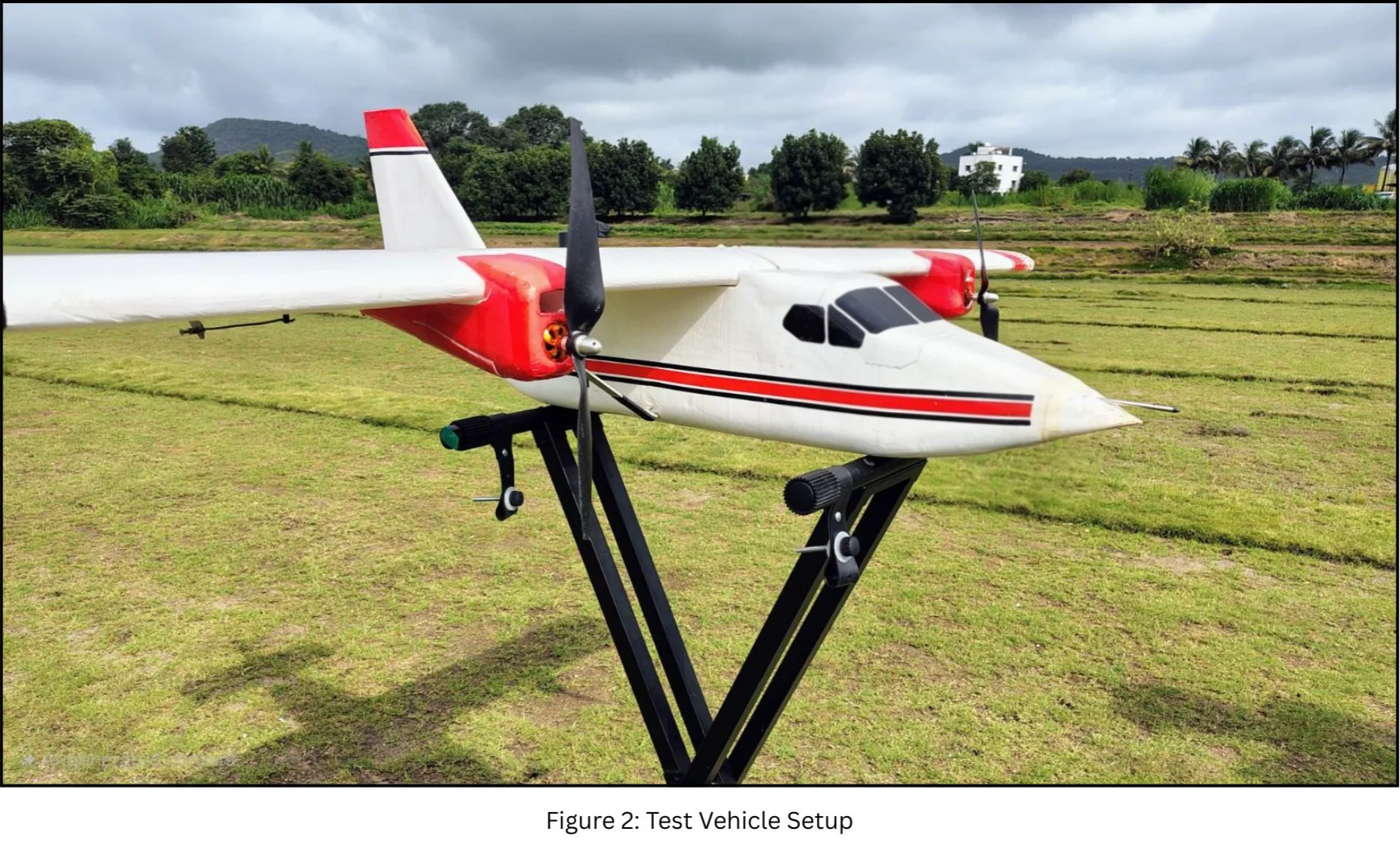
Test Vehicle: Tractor Pull Type - Dual Rotor Fixed Wing (Rudderless).
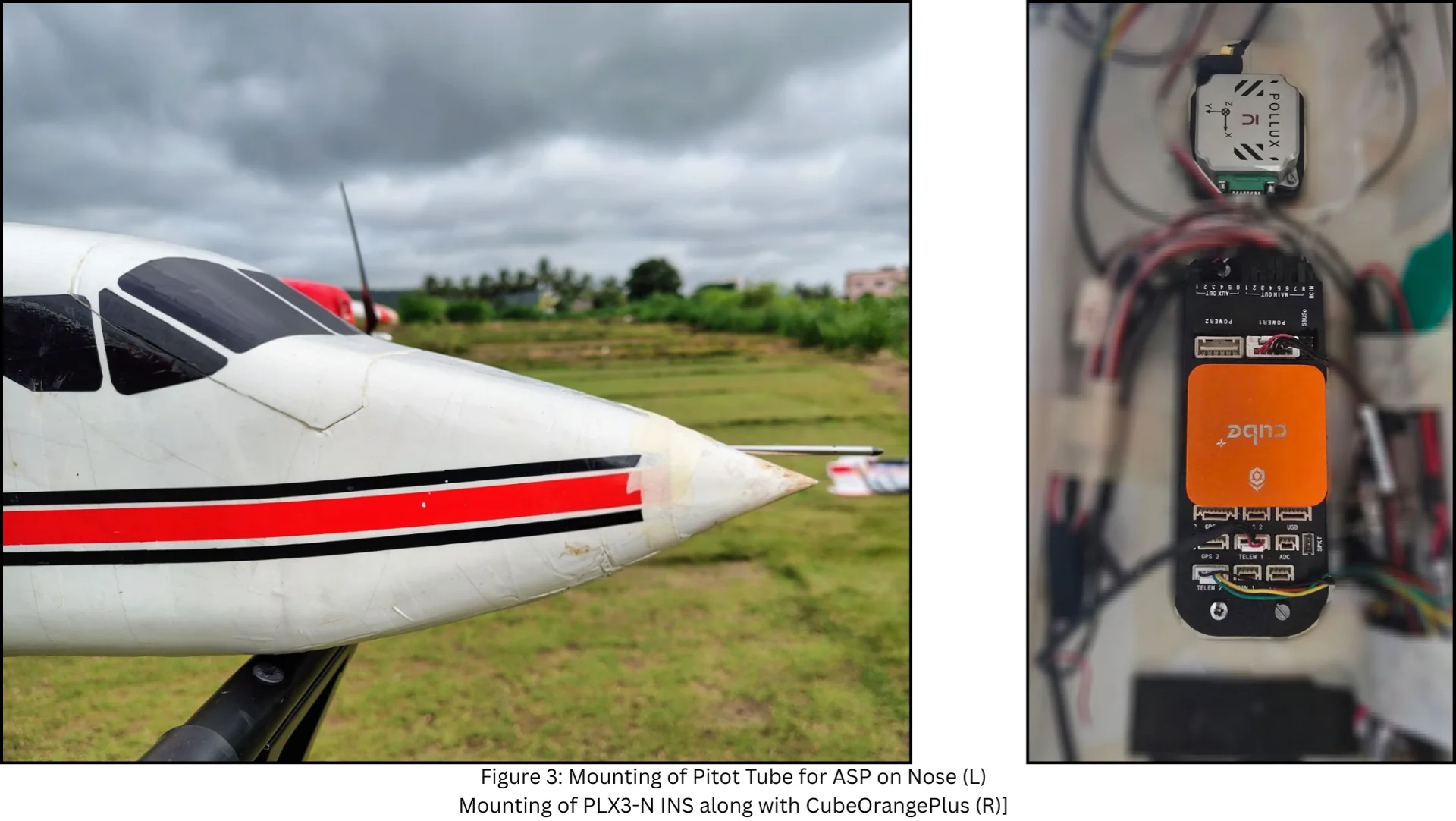
Benchmark Goals: Validate stability in normal modes and continuity in GNSS-denied missions.
Integration with CubeOrangePlus, as shown in the above figures. Our mission successfully navigates the aircraft even in GNSS Denied Operations without triggering any failsafe conditions, ensuring navigation and position estimation are accurate within certain bounds to continue missions.
Integration Details
The integration of an external Inertial Navigation System (INS) with ArduPilot is achieved by implementing a backend driver derived from AP_ExternalAHRS_backend. This driver connects via UART (typically at INS baud) and registers as the primary navigation source using AHRS_EKF_TYPE and a unique EAHRS_TYPE value.
The driver parses the INS’s binary protocol in a high-priority thread, populating the internal cores with filtered estimates: accelerometer (m/s²), gyroscope (rad/s), quaternion, NED velocity (m/s), and location (1e7 degrees latitude/longitude, cm MSL altitude). GNSS data is supplied separately through AP::GPS() with appropriate fix type, accuracy, and DOP values. Barometer, magnetometer, and airspeed (if available) are injected via their respective subsystems.
Key parameters enable the vehicle to route all navigation to an external source, set to use the external IMU instance, and facilitate mission continuation in GNSS-denied conditions. Dynamic thread delays and rate-limited logging ensure CPU efficiency and reliable operation at high update rates (up to 500–1000 Hz IMU).
After compilation and upload, the INS is selected at boot, providing seamless attitude, position, and velocity estimates to ArduPilot’s navigation and control loops without internal re-fusion, enabling robust performance in both GNSS-aided and fully denied environments. For detailed information, refer to the PLX3-N Integration Manuals.
Autonomous Mission Details
To rigorously validate the PLX3-N INS integration under realistic operational conditions, a series of progressively complex autonomous missions was executed on a small fixed-wing
platform (1.7 m wingspan). The missions were designed to stress both normal GNSS-aided navigation and GNSS-denied performance, including intentional crosswind exposure and
mid-mission denial transitions.
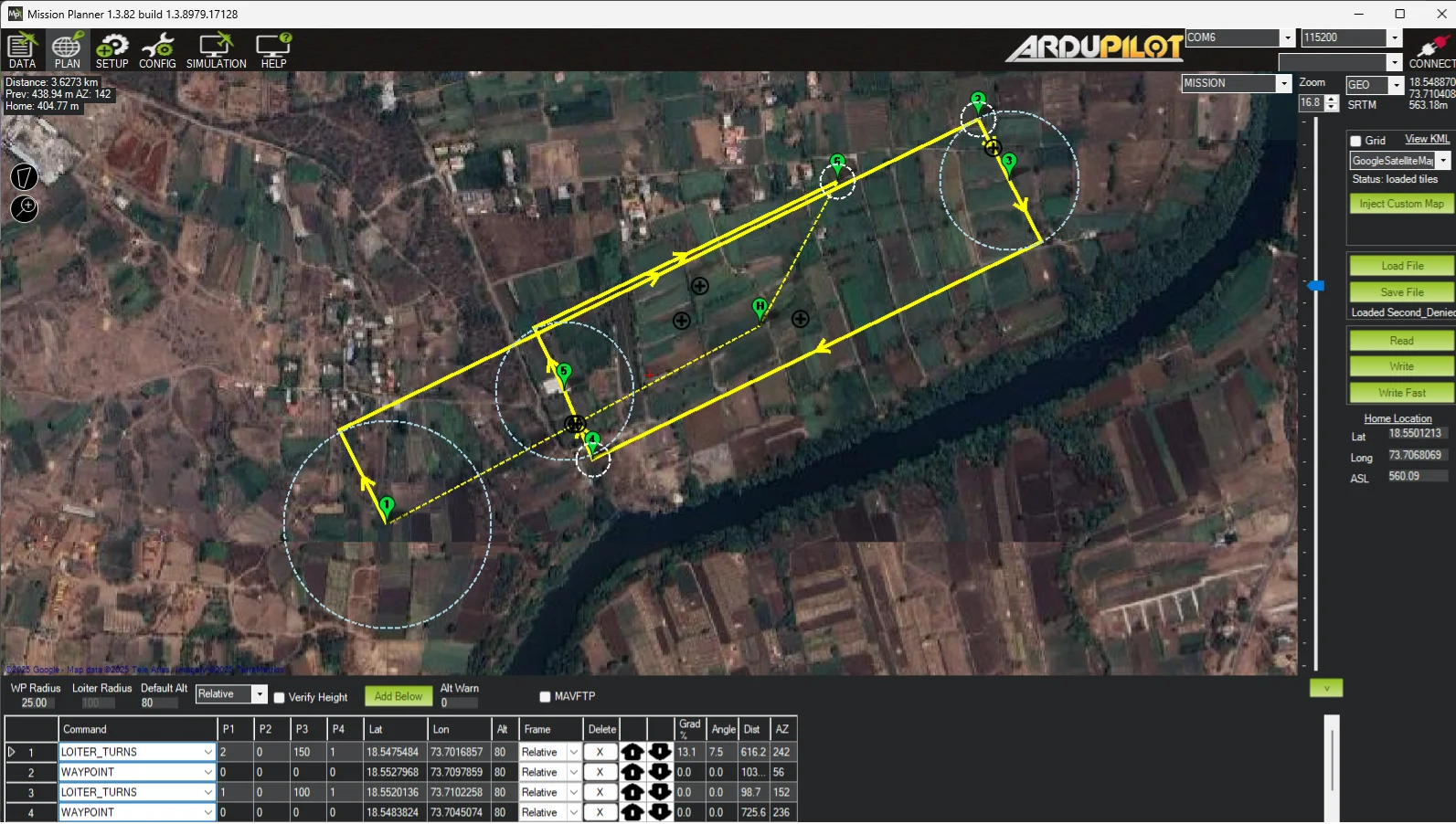
Figure 4: detailed illustration of the Autonomous Mission
• Pre-Flight and Launch Preparation:
o Arming and preflight checks performed outdoors with full GNSS lock (≥10 satellites, HDOP <1.2). Home position automatically set on the first valid 3D fix.
o The vehicle was hand-launched and manoeuvred in manual mode for the starting phase.
• Phase 1 – Wind Estimation (GNSS-Available):
o In this phase, the fixed wing was switched to autonomous mode, where two large circular loiter patterns were performed (radius 150 m, altitude 80 m AGL, speed 12 -14 m/s).
o Purpose: Allow PLX3-N to estimate wind vector using GNSS velocity vs. airframe attitude (standard Plane/Copter wind estimation routine).
• Phase 2 – Waypoint Navigation (GNSS-Available → Transition to Denied):
o As illustrated in the above mission, after one waypoint, GNSS was turned OFF, and from this point onward, the vehicle used solely PLX3-N navigation for position estimates.
o The vehicle continued successfully to waypoints 2 to 6 using PLX3-N aided estimation. Location/Velocity updated solely from fused estimates without GNSS.
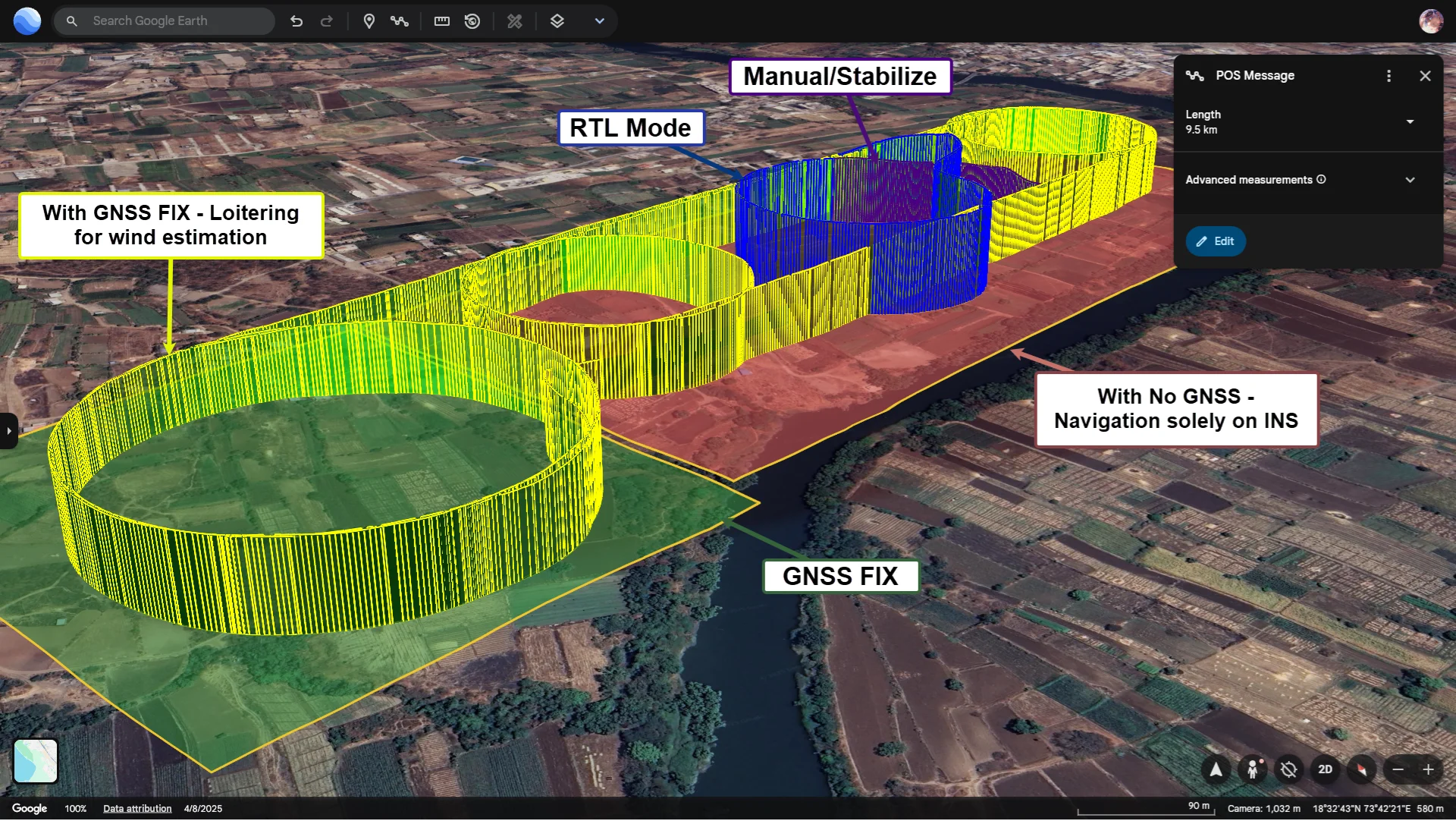
Figure 5: Detailed illustration of the Autonomous Mission
• Phase 3 – Return to Launch (RTL) in Full GNSS-Denied Mode:
o Upon mission completion, automatic RTL triggered.
o Climb to RTL_ALT=100 m, then direct return to home using PLX3-N estimated position.
o Total GNSS-denied duration: ~5-6 Km (waypoints 2–6 + RTL).
o Observed Endpoint drift: ~100-200 m horizontal, ~2 m vertical (excellent baro hold).
• Phase 4 – GNSS Recovery:
o After full mission completion, GNSS was recovered for the landing approach.
o Instantaneous position correction with smooth blending (no jumps>1 m, thanks to INS variance reporting, low drift estimation and ArduPilot's re-alignment logic).
o Final landing is accurate to the true home.
All four phases are recorded in the following video, which shows the combination of wind estimation profile with GNSS and actual GNSS-denied mission, using the PLX3-N deployed with autopilot, all in real-time. Additionally, the mission includes RTL functionality conducted under GNSS-denied conditions before landing of the flight.
GNSS Denied Result
The following figure illustrates the total drift observed during the autonomous mission in a GNSS-denied environment. The entire denied path was approximately 4.2 km, and the drift with PLX3-N was 168.6m, aided by airspeed (DLVR). Here, the platform is driven by CubeOrange autopilot with ArduPilot running on it and all navigation, IMU data taken from Aeron’s PLX3-N.
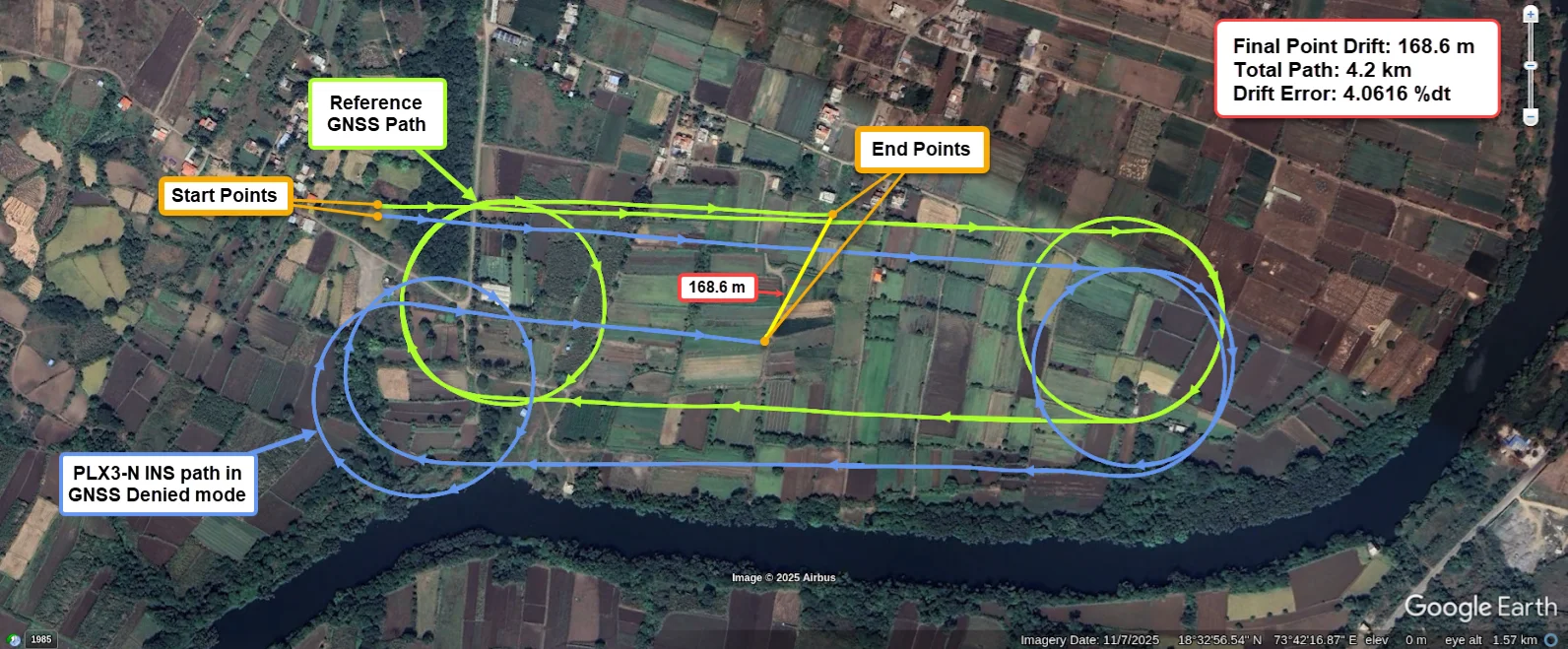
Figure 7: detailed illustration of the GNSS denied results
The standalone performance of PLX3-N under the GNSS denied without deployment, where the autopilot works with GNSS and PLX3-N was subjected to the denied conditions, gives an average performance of < 3%dt over multiple trials, as depicted in the following figure:
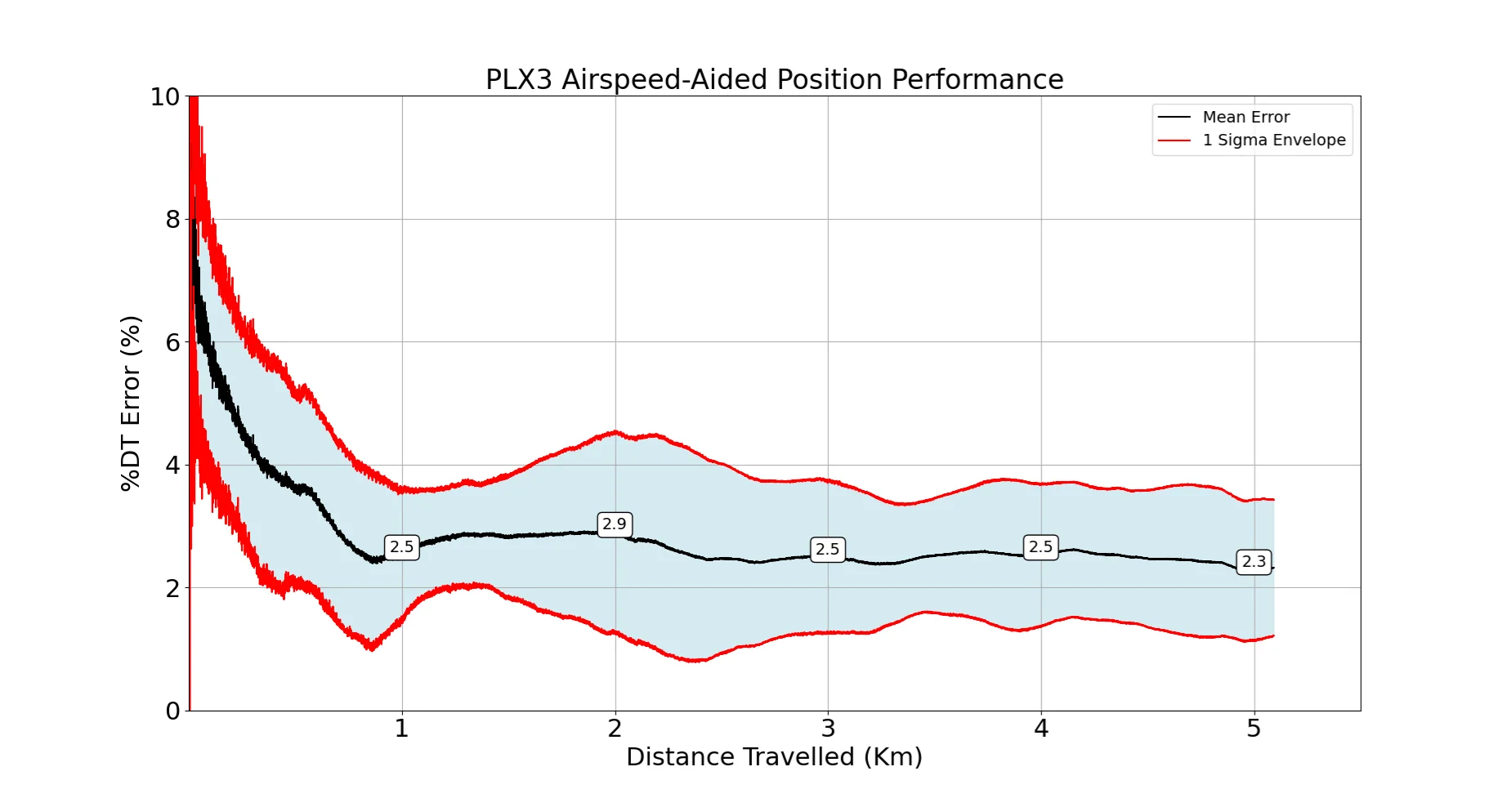
Figure 8: PLX3 Airspeed Position Performance
Advantages of Direct Deployment
The direct, real-time deployment of the PLX3-N INS for autonomous missions in GNSS-denied environments represents a paradigm shift compared to the conventional approach adopted by most commercial INS manufacturers.
While competitors typically deliver high-accuracy data for post-flight analysis and publish impressive % DT (percentage of distance travelled) drift metrics derived from controlled, logged flights, our solution eliminates the intermediate logging-and-analysis step. The INS’s internal EKF continuously outputs jump-free, fused LLA and VNED estimates that Autopilot consumes as the authoritative navigation source. This yields several decisive operational and developmental advantages:
• Immediate Mission Readiness in Contested Airspace: Operators can fly fully autonomous waypoint missions under active jamming without triggering failsafes or mode switches. Traditional systems force RTL or land on GNSS loss; our integration continues the mission using the INS’s dead-reckoned state, maintaining tactical
effectiveness where competitors’ vehicles would abort.
• Reduced System Complexity and Latency: By offloading fusion to the INS and bypassing Autopilot's internal EKF, CPU load on the flight controller is significantly lower, leaving headroom for additional payloads (cameras, companion computers, etc.) and reducing the risk of scheduler overload at high update rates.
• Seamless GNSS Recovery: When GNSS returns, Autopilots blends the drifted estimate back to truth with minimal discontinuity (typically <2 m jump), preserving mission continuity without abrupt corrections that could destabilize the vehicle.
• Rapid Iteration and Validation: Real-world denied flights expose integration issues (drift, yaw bias, baro behaviour) immediately, enabling faster refinement than log based analysis.
• Competitive Edge: Indigenous, low-cost, high-performance solution for tactical UAVs. These advantages position the PLX3-N as a mission-critical enabler for drones operating in electronically contested environments, delivering operational autonomy that goes beyond laboratory-grade metrics.
Conclusion
The successful integration of the Indigenous PLX3-N INS with Autopilot marks a significant milestone in achieving reliable, real-time GNSS-denied autonomy for unmanned aerial vehicles. Through meticulous driver development, parameter optimization, and iterative flight testing, we have demonstrated stable performance across all primary flight modes and full autonomous waypoint missions, even under complete GNSS denial.
The system’s ability to maintain mission continuity with controlled drift in real tests, without triggering failsafe’s, combined with seamless recovery upon GNSS restoration, validates the robustness of the fused navigation output and the correctness of the external INS implementation.
This direct-deployment approach where the INS provides authoritative, filtered estimates consumed instantly by the autopilot offers a clear operational edge over conventional solutions that rely on post-flight data analysis and deployment. It enables immediate tactical use in contested environments and accelerates development cycles by surfacing performance characteristics during the mission itself.
Future work will focus on further drift reduction (e.g., enhanced sensor aiding and temperature compensations), extension to MALE and HALE fixed-wing and VTOL platforms, and long duration denied flights.
The PLX3-N integration with Autopilot sets a new standard for GNSS-denied autonomy, proven in real flights. Ready for mission-critical applications and production deployment.
Author : Rohini Shinde (Team Lead)