Aldebaran ALD-NS3500S
Tactical-Grade GNSS-Aided Navigation
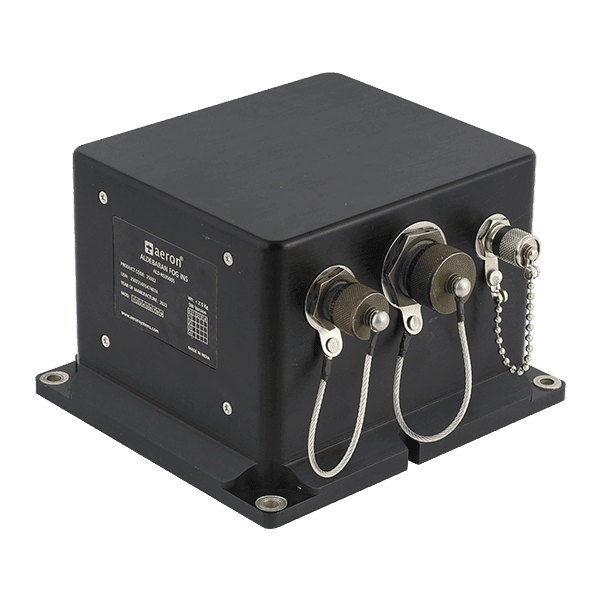
Aldebaran ALD-NS3500S is a rugged, tactical-grade Fiber Optic Gyro (FOG) based Inertial Navigation System with an integrated multi-frequency, multi-constellation GNSS receiver, delivering dependable position, velocity and attitude data across airborne, land and naval platforms.
Overview
Aldebaran ALD-NS3500S is a rugged, GNSS-aided, high performance Fiber Optic Gyro (FOG) based Inertial Navigation System. The device incorporates high-end three-axis accelerometers, three-axis fiber-optic gyroscopes, and an integrated multi-constellation GNSS receiver. The sensors are characterized and calibrated in Aeron's state-of-the-art facility. Aeron's proprietary parameter estimation engine delivers fast alignment and tactical class navigation performance in a matter of minutes.
The ALD-NS3500S model has a multi-frequency (L1/L2/L5), multi-constellation GNSS receiver — including IRNSS — with multiple tracked channels and best-in-class signal sensitivity. The Aldebaran series INS offers superior pure-inertial performance in short-term GNSS outages, and external air data, velocity, and position aiding can also be provided to the system.
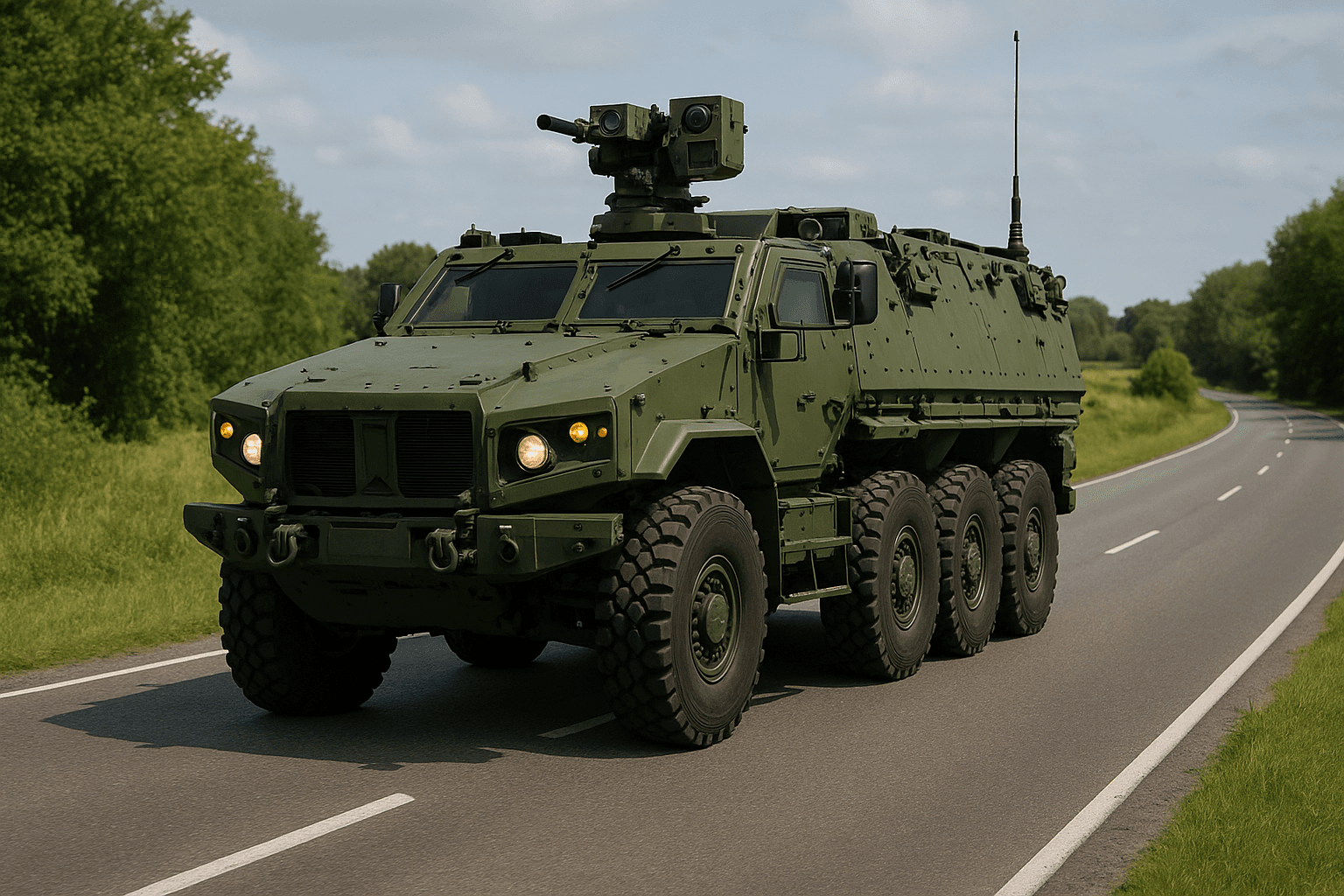
ALD-NS3500S is suitable for positioning and pointing in airborne, land & naval applications. Aldebaran combines top-of-the-range tactical sensors — closed-loop 0.1°/hr (BI) fiber-optic gyros and <1 mg (long-term bias) accelerometers — to deliver dependable GNSS-denied performance in rough, off-road, and bumpy terrain. The gyros hold their bias under vibration, and Aeron's proprietary sensor fusion algorithms deliver superior navigation and position performance across GPS, GALILEO, and NAVIC constellations.
Design Highlights
- Extended Kalman filter sensor fusion engine
- Accepts external aiding data
- Tactical-class IMU with <0.1°/hr gyro bias instability
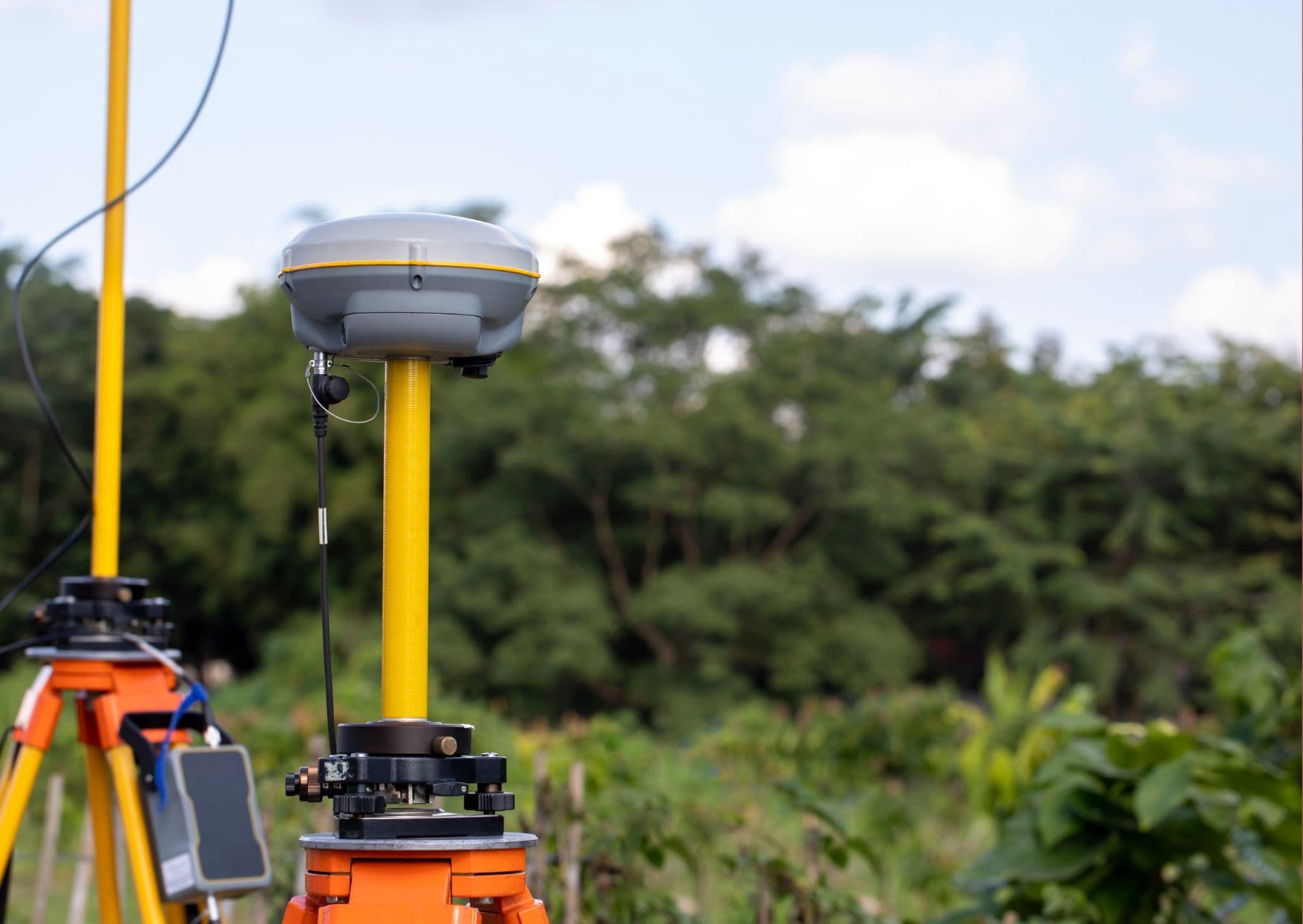
- Centimeter-level position accuracy with RTK
- Multi-constellation L1/L2/L5 GNSS with IRNSS
- Superior tracking robustness under heavy mechanical shocks or vibration
- Isolated interfaces and power supply
- Complies with MIL-STD-810G, JSS-55555, MIL-STD-461E, MIL-STD-1275E and MIL-STD-704D
How Aldebaran Processes Sensor Data
Sensor inputs are fused in real time through Aeron's proprietary Extended Kalman Filter to deliver stable navigation, attitude and heading estimates.
Product Features
Field-proven inertial and GNSS engineering built for tactical navigation.


Technical Specifications
ALD-NS3500S · Datasheet Ver. 1.1 · May 2025
Type
445 channel, L1/L2/L5 Code/Carrier phase GPS, GLONASS, QZSS, BEIDOU and IRNSS/NavIC
Diff. Correction Type
RTCMv2, RTCMv3, CMRv2 (for RTK mode)
Reacquisition Time
1 sec
TTFF Cold Start
45 sec
Connector
TNC female socket
Position accuracy specified for open-sky conditions (RMS levels, baseline < 40 km); RTK mode requires differential corrections from an RTK base station. Heading accuracy is quoted after magnetic calibration for hard-iron / soft-iron disturbances and setting the correct declination / offset angle.
Other Product Details
Applications


Documents & Resources
Documentation
ALDEBARAN - ALD-NS3500S
Aldebaran ALD-NS3500S Datasheet
Ver. 1.1 · May 2025

Frequently
Asked
Questions
Common questions about the Aldebaran FOG-INS.