Understand How Soiling Losses Impact Solar PV Performance and Energy Yield
The efficiency of the PV solar panels is largely dependent on the ambient conditions, and several factors come into the picture to determine the actual efficiency of the panels during their operation. One such factor is soiling.
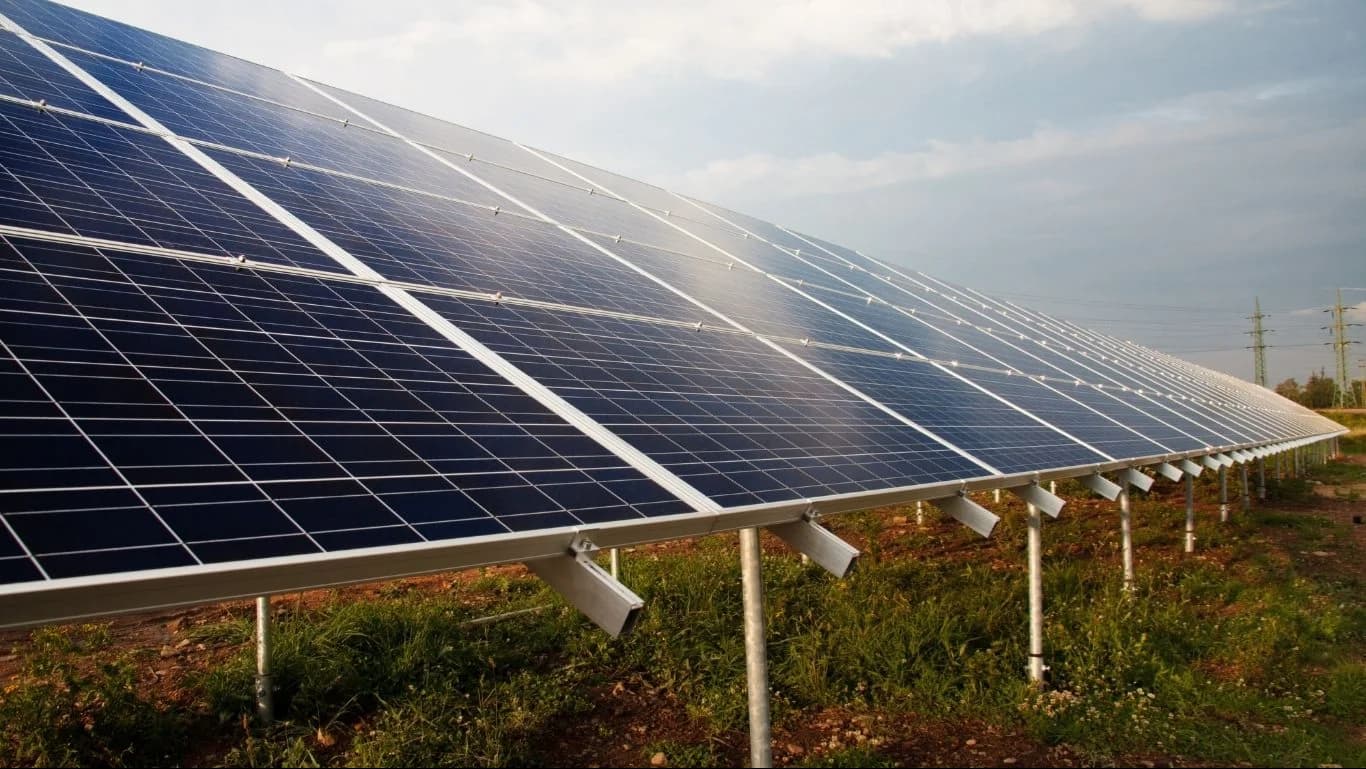
In simple words, soiling means the accumulation of dust and soil particles over the solar panels. However, in a practical sense, the definition of soiling could be much wider than that. For instance, many researchers concluded from their research that bird droppings can significantly bring down panel efficiency, and hence, they are also considered while calculating the soiling losses. Many times, the water or the mixture of cleaning agent and water used to clean the panels leaves behind a layer on the panels. This can also be called as a form of soiling.
The power output of the panels is highly dependent on the amount of irradiance directly reaching them. Soiling, which is simply the accumulation of soil and dust particles over the panels, will obstruct the quantum of sun rays reaching the panels and will affect the PV performance.
According to some researchers, soiling essentially causes shading of the panels; i.e., it obstructs sun rays from reaching the panels. This shading can be categorized into two prime categories - soft shading and hard shading. Shading due to pollution or mist or fog affects the irradiance received by the panel, and it is called soft shading. Whereas shading due to dust particles, soil particles, and bird droppings are called hard shading. Both these types of shading can affect panels and their performance in different ways.
A. Before we study which factors aid or hinder the soiling, it will be important to see how soiling affects panels and panel performance as well.
Degraded Panel Output: Dust and soil accumulated on the panel will cover the PV cells under it. This will bring down both the voltage and current output of the panels. On the other hand, soft soiling will not have any observed effect on the voltage but will affect the current output of the panels. The combined result of this decrease in the current and voltage will be a reduced power output of the panel.
Damage To The Panels: Hard soiling due to deposition of dust particles and soil will also result in hard depositions on the solar panel near its frame, often called cementing. As a result of this, the panel might get damaged permanently.
Economic Consequences: The reduced power output of the solar panel will lead to reduced power generation from the plant. If it remains neglected for longer periods, soiling can significantly bring down the quantum of energy generated from the solar plant. This decrement will also lead to payment of deviation charges, causing further financial losses.
B. Factors Affecting The Rate Of Soiling:
Geographical Composition: Extent of soiling is highly dependent on the vicinity in which the solar panels are installed. The dustier the terrain, the higher the likelihood and rate of soiling. For instance, in deserts, soiling will be much faster than that in the cities.
Wind Velocity: Wind is the prime factor which unsettles the dust and soil particles. Windier climate will lead to faster soiling of the solar panels.
Humidity, Fog And Dew: The higher the humidity or occurrence of fog and dew, the higher will be the soiling effect. Because of the humidity or fog or dew, the dust particles tend to stick to the panels, thereby increasing the soiling. Many times, the dry dust accumulated on the panels is carried away by the winds. The presence of dew or moisture prevents this carrying away of the particles by wind, resulting in aggravated soiling.
Angle And Direction Of Panels: The tilt angle of the panels, as well as the direction in which they are installed, will have a considerable effect on soiling and power loss because of it. As the tilt angle reduces, the soiling losses go up. As per some studies, low tilt angles, in the range of 5 to 8 degrees, can cause soiling losses as high as 8 to 10%.
C. How Can Soiling Be Avoided?
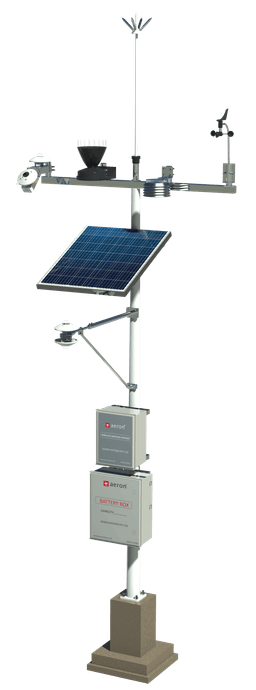
Practically, it is impossible to completely avoid soiling. Periodic cleaning of the panels is the only solution available to avoid the power loss due to soiling. It is commonly observed that panels are not cleaned at a desired frequency even at well-maintained plants. A weather monitoring station can indicate the dryness in the plant output, which could hint when the panels should be cleaned.
The main reason for soiling losses is due to a particularly stealthy effect. In most cases, the solar irradiance sensor suffers from the same amount of dirt that is covering the solar PV panels. Consequently, the measured irradiance level decreases, despite the actual irradiance remaining the same. The decrease in measured irradiance balances out the decrease in electricity generation of the panels; thus, the PR does not change, effectively hiding the losses.
Let us all pledge to make solar energy the primary source of energy in the future.